
Вечная мудрость Кармеля: молитва как присутствие
“”Истинная молитва начинается в реальном мире, в нашем реальном «я», во всех наших отношениях с другими людьми и в наших жизненных задачах. Молитва — это не побег от реальности. Это общение с Богом, когда Он приходит к нам. А это означает реальную жизнь — в глубине нашей собственной сущности, в наших человеческих взаимоотношениях друг с другом».”
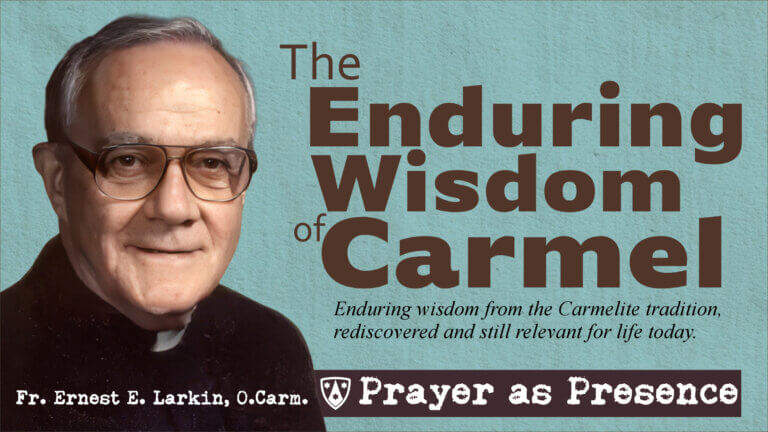
Отец Эрнест Ларкин — американский теолог и преподаватель из ордена кармелитов.
“Присутствие” может означать «присутствие в» или «присутствие для». В первом случае речь идет о пространственном присутствии, то есть о месте. Я нахожусь в этой комнате; Бог находится в церкви. Но что это означает в случае с Богом? Бог не является телом, следовательно, Он не может пространственно занимать какое-либо место. Соломон размышлял над этой проблемой во время освящения храма. «Если вселенная не может вместить Тебя, Яхве, — молился он, — как же Ты можешь «пребывать» в этом храме?» Ответ Яхве заключался в том, что Он будет обитать в храме в той мере, в какой Он будет там, прислушиваясь к молитвам Своего народа, а они, в духе взаимности, будут помнить о Его воле (1 Царств 8:27; 9:3–9).
Представить Богу
Присутствие Бога, другими словами, — это присутствие до. Это личное и динамичное. Динамичное — потому что Бог присутствует там, где Он действует; личное — потому что Он является разумным существом, личностью, которая любит, и Он присутствует там, где сознательно и с любовью совершает Свои действия.
Школьник, смотрящий на часы в классе, физически находится в комнате, но учитель его не замечает. Юная монахиня Тереза Иисуса, наблюдающая за песочными часами во время внутренней молитвы, была в в часовне, но не полностью сосредоточен на Господе. С другой стороны, мальчик и девочка могут расти по соседству и почти не замечать друг друга; однажды они влюбляются и с тех пор наполняют друг друга всем своим существом, даже если юноша уходит на службу, а девушка переезжает в другой город. Личное присутствие, будь то с человеком или с Богом, — это скорее опыт, чем физический факт. Душа, говорит святой Фома, в большей мере присутствует там, где она любит, чем там, где она оживляет.
Бог всегда и везде присутствует в мире. Он не только основа бытия и источник жизни; Он — Отец, Господь, Жених, Друг. Он — Отец, призывающий всех людей к Себе (каждого по имени) во Сыне силой Святого Духа. Он — Бог-работник святого Игнатия, о Боге, действующем во вселенной и приводящем всё к своему завершению во Христе.
Когда мы отвечаем на это присутствие, возникает молитва. Бог становится для нас присутствием, точно так же, как мы являемся присутствием для Него. Иными словами, молитва — это взаимное личное присутствие, взаимное присутствие до, следовательно, наличие с Кто-то. Это встреча, соприкосновение, контакт. Это дарованное и принятое присутствие, призыв и ответ, приглашение и приветствие, дар и принятие. Молитва — это присутствие в любви: мой возлюбленный — ко мне, а я — к моему возлюбленному (Песн. 7, 16).
Бог — это присутствие
Такое понимание молитвы избавляет нас от огромного бремени, связанного с объективацией и определением Бога — что в любом случае является невозможной задачей, — и оставляет Бога на вполне реальном, хотя и неконцептуальном уровне “Ты”. Отец, Христос или Святой Дух — это любящее присутствие, наполняющее всё, как атмосфера, как фоновая музыка или божественная среда, в которой мы живём, движемся и существуем (Деяния 17:28). Но Бог остаётся Личностью. Он не сводится к какому-то измерению вселенной; Он — Присутствие, вызываемое опытом, но выходящее за пределы любых знаков или символов, часть жизни, но превосходящая всю жизнь, начало и конец, и при этом полностью превосходящее самые высокие возможности человека. Одним словом, Он реален не потому, что Его можно охватить категориями разума, а потому, что Он “есть”. Он не является измеримым и определимым объектом; в лучшем случае образы и понятия, которые мы используем для Его обозначения, являются лишь несовершенным переводом любви, которая не поддаётся адекватному языковому описанию.
Благодаря молитве рождается новая реальность, и эта реальность — сам молящийся человек. Молящийся человек — это религиозное присутствие; он излучает “колебания” того, чья жизнь соединённа с Богом. Высшее, Трансцендентное, Священное, Запредельное посреди жизни — вот что становится предметом заботы, ориентацией и главной заботой религиозного человека. Таковы созерцатели. Таковы мистики, таковы все поистине религиозные люди, которые строят всю свою жизнь вокруг этой Божественной ценности в человеческом существовании.
В процессе формирования религиозного присутствия участвуют как знание, так и любовь. Но ключевую роль играет любовь. Бог становится для меня присутствием, когда я познаю Его через любовь. В теологии общепризнанно, что благодать дарует “квази-опытное” познание Бога, а созерцание представляет собой “опыт Бога”. Исторические исследования показали, что для средневековых теологов опытный характер христианского познания Бога проистекал из душевных порывов. Мистический опыт — это опыт любви. Присутствие раскрывается не благодаря обширным знаниям о другом человеке, а в любящей личной встрече.
Проблема разговоров о Боге
Рассматривать молитву как присутствие — значит переформулировать старые истины, возможно, в несколько новых категориях. В чём ценность такой формулировки молитвы? На мой взгляд, молитва как присутствие — особенно удачная формулировка по двум причинам: (1) она даёт язык для выражения; (2) она предлагает программу развития молитвенной жизни в современных условиях.
Во-первых, это решает проблему языка. Говорить о Боге осмысленно всегда было проблемой, поскольку Бог живет в иной сфере, чем человек; Он пребывает в недоступном свете (1 Тим. 6, 16). Чтобы мы могли вообще говорить о Нём, требуется постоянная адаптация, ведь Он скорее отличается от нас, чем похож на нас. Но сегодня эта проблема усугубляется культурными сдвигами, изменениями в моделях мышления и образе жизни, которые заставляют нас с неудобством относиться к старым формулировкам о Боге и религии. Нам ещё предстоит разработать новые, приемлемые формы. Признаками этого культурного перехода в религии являются ощущение отсутствия Бога вместо Его присутствия в нашем мире, теологии “смерти Бога”, космическая тёмная ночь, которая, кажется, затрагивает все уровни религиозного опыта, даже в то время как человек продолжает покорять технические аспекты Вселенной, совершая полёты на Луну. Мы живём в эпоху, покинутую Богом, потому что унаследованные нами формы и структуры не соответствуют тому, как мы думаем и чувствуем по поводу Бога и мира веры. Направление и динамизм нашей веры и милосердия находятся на других волнах, чем образы и концепции прошлого.
Бог, без сомнения, присутствует в нашем мире; Он имманентен. Но Он не является ни нашим миром, ни какой-либо его частью; Он абсолютно трансцендентен. Как мы можем выразить это невыразимое Существо? В одном смысле Он находится “где-то там”, но Он не просто соседствует с другими причинами и сотворенной реальностью; Он — внутреннее ядро всех вещей, динамический центр жизни, проявляющий Себя в людях, событиях, истории.
Двойственная реальность Бога
Понятие «присутствия», как представляется, отражает эту двойственную реальность Бога. Оно сохраняет божественную реальность, одновременно помещая Бога в человеческое существование. Знаки и символы становятся единым целым с Его Присутствием. Бог остаётся Богом, но Его признают в человеке — в себе самом, в ближнем, в своём мире. Чёткие разграничения, присущие более интеллектуалистическим, статичным категориям, уступают место межличностному взаимопониманию и персоналистическим темам.
Абрахам Маслоу связывает способность объединять противоположности и удерживать оба края спектра в равновесии с формированием развитой личности. Он пишет:
Словно менее развитые люди жили в аристотелевском мире, где классы и противоположности имеют чёткие границы, являются взаимоисключающими и несовместимыми. Например: мужчина — женщина, эгоистичный — бескорыстный, взрослый — ребёнок, добрый — жестокий, хороший — плохой. Но для самореализующихся людей фактом является то, что ‘А’ и ‘не А’ взаимопроникают и составляют одно целое, что любой человек одновременно является и хорошим, и плохим, и мужчиной, и женщиной, и взрослым, и ребёнком. Невозможно поместить целостную личность на континуум лишь как абстрактный аспект человека.
Мистики жили совпадение оппонентов. Дело в том, что Бог и человек “взаимопроникают”. Речь о Боге и речь о человеке взаимно дополняют друг друга, и одно невозможно без другого. Бог неизмеримо выше и вне нас, но в определенный момент мы становимся более Божественными, чем сами себя. Понятие «присутствия» позволяет нам жить с этой тайной. Присутствие переносит разговор на уровень личности и на плоскость, где любовь и познание сливаются воедино, тогда как некоторые другие определения молитвы склонны к чрезмерной объективации в рационалистическом духе. Иными словами, присутствие — это нечто менее интеллектуальное и более всеобъемлющее, более личное, более эмоциональное. Нам не нужно иметь чётких представлений о Боге, чтобы глубоко познать Его. Любовь — гораздо лучший путь к интимной жизни Бога, чем обширные знания, как подчеркивали святые и мистики на протяжении веков.
Программа молитвы в наше время
Однако более важный вклад концепции молитвы как присутствия заключается в том, что она предлагает программу молитвенной жизни в наше время. В частности, она показывает, как начинается молитвенная жизнь, как она развивается и к чему стремится.
Во-первых, эта концепция напоминает нам, что подлинная молитва начинается в реальном мире, в нашем реальном «я», со всех наших отношений с другими людьми и наших жизненных задач. Молитва — это не побег от реальности. Это общение с Богом где Он приходит к нам. Это означает реальную жизнь — в глубине нашей собственной личности, в наших человеческих взаимоотношениях друг с другом. Бог — не абстракция, которую мы выдумываем с помощью умственных упражнений. Он также не являет Себя среди нас в виде теофании, как это происходило в Ветхом Завете. Он пришел во Христе-Человеке и, как сказал святой Иоанн Креста, всё, что Ему нужно было сказать нам, Он сказал во Христе. Но Христос не отделен от Своих членов; Он продолжает жить в человеческом мире, в Своих членах. Это означает, что Божье присутствие сегодня прозрачно, сияя в лице Иисуса, так же как Иисус отражается в лицах Своих членов, особенно в анавим нашего времени. Насколько христианскими являются слова Достоевского: «Тот, кто хочет обрести лик живого Бога, не должен искать Его в пустом небосводе своего разума, а в человеческой любви».
Мы действительно могли бы привести веские библейские и богословские аргументы в пользу того, что Божье самооткровение — это Присутствие. Когда Моисей спросил о имени Яхве, Он получил ответ: “Я буду там”. В этом и заключается имя Бога. Он есть Присутствие. Он является Присутствием в Храме, а позднее — в синагоге, ибо там Он дарит Себя и там Его принимают: Он обладает этим местом. В Новом Завете, когда Богу поклоняются в духе и истине, люди и общины становятся Его храмом. Он обладает ими как Присутствие, дарующее свет и жизнь их существованию. Внутреннее пребывание — это личная сторона благодати: иметь благодать (иметь благосклонность), как говорил святой Бонавентура, можно обрести благодаря Богу (новость а Део).
Как развивается молитва
Как присутствие указывает пути развития молитвы в жизни человека? Ответ кроется в самой сущности личного присутствия. Присутствие — это реальность, развивающаяся со временем, а не достижение, раз и навсегда закреплённое. Подобно дружбе и любви, оно растёт — или угасает — по мере роста открытости и любви. Проще говоря, это означает, что присутствие растёт по мере зрелости.
Что такое зрелость, как не здоровая способность выйти за пределы самого себя в знании и любви, вырваться из своего мелочного самоограничения и встретиться с объективной реальностью, прежде всего с людьми и, в конечном счете, с Богом. Именно в этом и заключаются самоактуализация, самореализация и зрелость. В этом заключается истинное “самореализация” — та самая самореализация, о которой говорил Павел VI в Развитие народов. Там Папа сказал, что мы обязаны развивать себя в той же мере, в какой обязаны спасать свои души. Он говорил о евангельском самореализации, которая, как ни парадоксально, достигается через дарение и отречение.
Этим размышлением мы подходим к самой сути созерцательного призвания. Созерцатели существуют для того, чтобы молиться, чтобы в молитве становиться Христом. Но, как ни парадоксально, это равносильно утверждению, что они существуют для того, чтобы стать самими собой. Томас Мертон прекрасно выразил эту мысль в одном из своих последних интервью. Он отождествлял рост в молитве с личным ростом. “Все, что мы можем сделать, — сказал он, — это честно стараться быть самими собой”. Речь, конечно, идет не о нашем иллюзорном “я”, а о нашем подлинном “я”, которое обретает себя, отдавая себя. «По-настоящему важно не то, как извлечь из жизни максимум, а то, как собраться с мыслями, чтобы полностью отдать себя».”
Воспоминание — это полное присутствие
Этот совет отличается ноткой реализма. Молитва требует отречения, но также и участия в жизни других людей, и преданности им. Контемплативный человек обращается к другим не столько по количеству людей, сколько по глубине, ища Христово присутствие в мире в его истоке — в Самом Христе как Личности, а не в Его многочисленных проявлениях в детях человеческих. Однако эта направленность или акцент никогда не должны превращаться в исключительное стремление, так чтобы человек исключал других людей из своей любви и заботы. Время, проводимое с людьми за пределами созерцательного сообщества, будет минимальным, но сердце созерцателя широко, как сам мир.
Совет Мертона как нельзя кстати. “Соберись с мыслями, чтобы полностью отдать себя”. Сосредоточение не означает уход от реальности. Оно означает быть всё там, быть полностью сосредоточенным на том месте, где ты находишься, и на том, что ты делаешь, быть глубоко погруженным в ситуацию, то есть воспринимать все её значения. Таким образом, чуткий человек, который внимателен и с пониманием относится к робким попыткам застенчивого человека пойти навстречу другим, находится в состоянии “сосредоточенности”. Таким же является и слушатель, который прилагает все усилия, чтобы быть внимательным и слышать, настраиваться на истину и реальность и отсекать искажения и иллюзии. Сосредоточенность означает выход из замкнутого мира изолированного «я», провозглашение своей независимости от уязвленного самолюбия и мелочной самопотакаемости в пользу жизни ради чего-то большего и лучшего, чем сам человек. Другими словами, тишина и уединение — это не убежище от жизни. Это высшая форма общения с Богом и ближними; в противном случае они являются бессмысленными практиками для созерцателя.
Цель молитвы
Главный вклад концепции «присутствия» заключается именно в этом напоминании о всеобъемлющей цели молитвенной жизни; возможно, в прошлом было слишком много резких разграничений. Воспринимать молитвенную жизнь как единение с Богом в индивидуалистическом смысле, как благочестие по принципу «Иисус и я», можно было только путем дихотомизации жизни и выделения одного из её аспектов в качестве целостности. В любом случае современные христиане, как живущие в монастырях, так и за их пределами, рассматривают молитвенную жизнь как интеграцию любви к Богу, любви к людям и подлинной любви к самому себе. Кто-то раскрыл глубокую тайну христианского ответа, определив слово J.O.Y. (радость) как акростих, состоящий из «Иисус — другие — ты» — трех элементов, присутствующих в жизни каждого христианина. Здесь также уместно привести известное высказывание Габриэля Марселя: он рассказывает, что искал Бога в Себе и не смог Его найти; затем искал Бога в своей душе и снова не смог Его найти; наконец, он искал Бога в других и обрёл и Бога, и других, и самого себя.
“Присутствие” раскрывает суть этих факторов. По мере роста святости человека Бог становится для него всем миром, но при этом не заменяет ни других людей, ни самого себя. У этой любви есть два основных проявления, которые иллюстрируются платоновскими понятиями “Я-Ты” и “Мы”. В отношениях “Я-Ты” два человека обращаются друг к другу с любовью; в отношениях “Мы” те же два человека стоят перед общей задачей. Каждый вид отношений свидетельствует о своём собственном виде присутствия, о своём аспекте любви. Первый путь представляет собой сильную форму присутствия. Это супружеский, созерцательный, мистический союз с Богом. Другой путь — это “слабая” форма присутствия с точки зрения явного осознания Бога как Личности. Но важна настоящая любовь, и настоящая любовь в идеале одинакова в обоих случаях. Партнерство с Богом в общем деле, совместная с Богом работа по построению общины могут казаться менее “религиозными”, но они являются частью жизни каждого христианина, даже созерцательной жизни, и представляют собой форму присутствия, которая вносит свой вклад в молитвенную жизнь. «Сильная» и «слабая» формы присутствия дополняют друг друга и взаимно включают друг друга. Обе они являются формами молитвы: одна — явная молитва, другая — неявная.
Этот подход подчеркивает непрерывность между жизнью и молитвой и разрушает ложные противопоставления между любовью к Богу и любовью к ближним. Молитва не может ограничиваться лишь отдельными моментами жизни; она переплетена со всем, что мы делаем. Вся жизнь — это поиск Бога. Этот поиск находит выражение в человеческих радостях и жертвах, в стремлении к человеческим ценностям, а также в прямом противостоянии. Некоторые человеческие ценности являются более высшими, чем другие, но все они устремлены к Богу, Который является Высшим, перед Которым всё остальное блекнет и превращается в ничто. Узы любви объединяют наши человеческие стремления — стремление расти, становиться любящими людьми — и союз с Богом. Настоящий рост и развитие всегда будут измеряться ощущением Божьего присутствия в жизни человека — не как какого-то конкретного опыта, такого как «сладкий» или «сухой», а как действенной силы, делающей нас верными, полными надежды и любящими людьми, для которых Бог превыше всего и во всех нас.
Чтобы узнать больше об истории, теологии и духовности кармелитов, посетите коллекцию «Carmelitana» по адресу carmelitanacollection.org
Об отце Ларкине:
Отец Ларкин, Эрнест Э. Ларкин, родился в Чикаго 19 августа 1922 года. Он поступил в колледж “Маунт-Кармель” в Ниагара-Фолс (провинция Онтарио) в качестве семинариста после окончания средней школы и окончил его в июне 1939 года. В 1940 году он принёс монашеские обеты, а в 1943 году окончил колледж Маунт-Кармель со степенью бакалавра философии. 8 июня 1946 года он был рукоположен в священники. Отец Ларкин завершил теологическое образование в Уайтфриарсе в июне 1947 года, а летом проходил аспирантуру по английской литературе в Католическом университете. Свою аспирантуру по теологии он завершил в “Ангеликуме” (Университет Святого Фомы) в Риме, где в 1954 году ему была присуждена степень доктора теологии (STD). Ларкин был направлен в Уайтфриарс, главную семинарию Ордена, где с 1951 по 1959 год он служил преподавателем, духовным наставником и, в конечном итоге, магистром студентов. В 1959 году Ларкин был назначен лектором по аскетическому и мистическому богословию в Католическом университете Америки, где он продолжал работать в качестве ассистента, а затем доцента до своей отставки в 1971 году. В этот период он также преподавал в магистратуре для наставниц послушниц в Колледже Святой Марии в Нотр-Даме и представил свой первый доклад в Католическом богословском обществе Америки. “Роль творений в духовной жизни” (1962). Он также был консультантом-редактором по вопросам аскетики и мистики для «Новой католической энциклопедии», в которой было опубликовано несколько его статей. Во время работы в Католическом университете Ларкин выступал с докладами на Конференции высших настоятелей мужских монашеских общин в Мунделине (Иллинойс), а также на нескольких заседаниях Американского общества канонического права и на Конференции по подготовке монахинь. Он активно участвовал в жизни своей кармелитской общины, входил в состав провинциального совета с 1966 по 1972 год, выполняя особые обязанности в сфере духовной жизни. В 1965, 1968, 1971 и 1983 годах он был избран делегатом на Генеральный капитул в Риме. Проблемы со здоровьем вынудили его уйти в отпуск по болезни из университета в феврале 1970 года. Ларкин был приглашён на должность штатного теолога в новосозданную епархию Феникса, штат Аризона, и после отпуска на 1970–1971 учебный год Ларкин уволился из Католического университета. В 1972 году отец Ларкин стал соучредителем Института «Кино», который был основан как Епархиальная школа Феникса по религиозному образованию взрослых для духовенства, монашествующих и мирян. Он был первым президентом и помог сформулировать цели и задачи института. За два года число учащихся выросло до 1780 человек.
В 1970-е годы Ларкин проводил множество ретритов и семинаров по всей стране и за рубежом, в том числе на Дальнем Востоке. Он преподавал в летней школе Университета Сент-Луиса (1978) и Университета Крейтона в Омахе (1979), а также был представителем епископа по связям с Католическим харизматическим движением в Фениксе.
В этот период было опубликовано несколько статей Ларкина, а в 1973 году вышла в свет новаторская книга “Духовное обновление американского священства”, написанная по заказу Конференции епископов. Ларкин был соредактором книги и подготовил её окончательный вариант. В 1980-е годы служение Ларкина включало программы обновления в Нотр-Даме для ’Retreats International“ и ”Программы непрерывного образования для духовенства“, а также программы непрерывного образования для кармелитов в Риме. Он был консультантом по вопросам духовности в международном журнале ”Concilium“ и в ”Центре развития личности“ в Вашингтоне, округ Колумбия. В эти годы также были опубликованы две книги отца Ларкина: ”Silent Presence“ (1981, переработанное и дополненное издание 2001 года) — рассуждение о различении как о процессе и проблеме, и ”Christ Within Us“ (1984) — сборник очерков, исследующих современный опыт восприятия Христа, Церкви и самого себя.
В 1982 году Ларкин стал одним из основателей “Кармелитского форума” — группы учёных из обоих орденских обрядов, занимающихся изучением и популяризацией кармелитской духовности. Их ежегодные семинары, проходящие в колледже Святой Марии в Нотр-Даме, привлекают духовенство и мирян со всех уголков страны. Доклады Ларкина публиковались в периодических изданиях и сборниках материалов семинара, а также выпускались на аудиокассетах. (Издательство ICS) “Кармелитский форум” в колледже Св. Марии в Нотр-Даме, июнь 2000 года. Доклад был опубликован издательством Paulist Press вместе с другими статьями с того семинара в сборнике “Кармелитская молитва” — юбилейном сборнике, посвящённом отцу Эрни, пионеру в области изучения кармелитской духовности.
Его статья “Духовность юбилея” была удостоена первой премии Ассоциации католической прессы в номинации “Статьи о духовности за 2000 год”.”
Отец Ларкин продолжал преподавать, проводить духовные ретриты, участвовать в семинарах и писать вплоть до своей смерти в 2006 году.
Кармелиты Провинции Пречистого Сердца Марии в верности Иисусу Христу живут в пророческой и созерцательной позиции молитвы, совместной жизни и служения. Вдохновленные Илией и Марией и руководствуясь Правилами кармелиток, мы свидетельствуем о восьмисотлетней традиции духовного преображения в США, Канаде, Перу, Мексике, Сальвадоре и Гондурасе.
Пожалуйста, подумайте о том, чтобы поддержать их миссию
https://carmelitemedia.tiny.us/supportpcm
чтобы сделать финансовое пожертвование.