
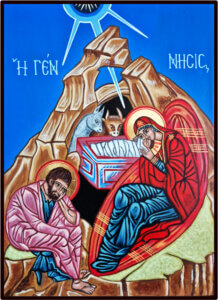
Meine erste Erfahrung mit dem Schreiben einer Ikone machte ich vor etwa zehn Jahren. Ich hatte ein sehr arbeitsreiches Jahr hinter mir und beschloss, mir eine Woche frei zu nehmen und an einem Ikonen-Workshop teilzunehmen, der mir von mehreren Karmeliterpriestern und dem damaligen Regionalkoordinator empfohlen worden war.
Es war ein ziemliches Abenteuer, und ich habe jeden Moment genossen, als ich in eine völlig neue Welt eintrat. Eine Welt, die mein Bewusstsein für alles um mich herum vertiefte, wie zum Beispiel ein neues Verständnis für Farben, die Symmetrie in der Natur und das Wiedereintreten in den Raum der Selbsterkenntnis, der mir ermöglichte, neu nachzudenken.
“Ich bin in Gott und Gott ist in mir. Ich spüre, dass alle Geschöpfe,
Die Bäume, die Blumen gehören Gott und auch mir.
Ich habe keinen Willen mehr, er gehört Gott.
Und alles, was Gottes ist, gehört mir.”
Die heilige Mariam von Jesus dem Gekreuzigten, O.C.D. (1846–1878)
Durch die Erfahrung des Schreibens der Ikone habe ich mich dabei ertappt, wie ich über unser karmelitisches Charisma nachgedacht habe.,
Gebet – Ich habe entdeckt, dass das Malen einer Ikone vom Entwurf bis zur Fertigstellung eine Erfahrung des Gebets ist und dass diese Reise weitergeht, wenn man über die fertige Ikone meditiert.
Gemeinschaft – Ich erkannte die Verbundenheit aller Menschen in Raum und Zeit – Vergangenheit, Gegenwart und Zukunft. Die Wellenwirkung des Einflusses jedes Einzelnen auf andere.
Dienst – Durch den Akt der Schaffung und Gestaltung eines Bildes wird die Ikone zu einem Dienst, durch den andere, wenn sie die Ikone verehren, tiefer in die Gegenwart Gottes eindringen.
Ich habe diesen Artikel in drei Abschnitte unterteilt:
- Ein kurzer Überblick über Icons.
Für diejenigen, die mit Ikonen nicht vertraut sind, vermittelt dieser kurze Hintergrund einen Einblick in die Ikonografie. - Die Bedeutung des Symbols ‘Die Genesis Christi’.
Symbole erzählen eine Geschichte, und dieser Abschnitt vertieft das Verständnis des Symbols. - ‘Auszüge aus meinem Tagebuch’.
Eine einfache Reflexion über den Weg eines jeden Tages.
Ein kurzer Überblick über Icons
Das Wort ‘Ikone’ stammt vom griechischen ‘eikón’ ab, was ‘Bild’ oder „Abbild“ bedeutet. In Kolosser 1,15 lesen wir: „[Christus] ist das Ebenbild des unsichtbaren Gottes“. Auf Griechisch lautet dies: „[O Christós] eínai i eikóna tou aóratou Theoú“.
Traditionell wurden Ikonen mit natürlichen Materialien auf einer mit Gesso grundierten Holztafel gemalt. Die Tafeln bestanden aus Linden-, Tannen- oder Kiefernholz. Um schreiben Für das Symbol wurde Eitempera verwendet, eine Mischung aus natürlichen Pigmenten aus Mineralien und Pflanzen mit Eigelb. Auch heute noch ist Eitempera weit verbreitet, obwohl Acrylfarben eine beliebte Alternative darstellen.
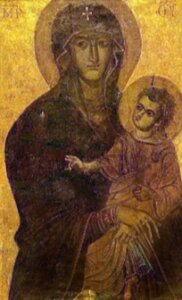
Die erste Ikone wird dem Heiligen Lukas zugeschrieben, Salus Populi Romani – Rettung des römischen Volkes. Sie kam 590 n. Chr. nach Rom und befindet sich in der Basilika Santa Maria Maggiore in Rom, Italien.
Der Überlieferung zufolge befand sich die Ikone, bekannt als ‘La Bruna‘, ’Die Braune Dame‘ oder ’Die Jungfrau der Zärtlichkeit“, im 12. Jahrhundert bei den Einsiedlern auf dem Berg Karmel. Im 13. Jahrhundert, als die Einsiedler vor den Verfolgungen durch die muslimischen Invasoren vom Berg Karmel flohen, ließen sie sich in Neapel, Italien, nieder. Das Bildnis befindet sich noch heute in der Basilika San Carmine Maggiore in Neapel.
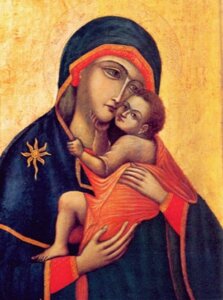
Ikonographen verwenden oft den Ausdruck ‘eine Ikone schreiben’. Eine Erklärung dafür ist, dass eine Ikone als visuelle Form der Heiligen Schrift betrachtet wird. Sie ist eine Kombination aus mehreren Disziplinen, darunter:
- Vor dem Malen der Ikone wird ein Gebet gesprochen, das auch Gebete für alle diejenigen enthält, die kommen werden, um sie zu verehren. Das Malen einer Ikone ist selbst ein Gebet. Ist die Ikone fertiggestellt, kann man in Meditation in das Geheimnis des Bildes eintreten.
- Spirituelle Erzählungen. Während er über die Schriftstellen nachdenkt, die sich auf die Ikone oder die Geschichte des abgebildeten Bildes beziehen, wird der Geist des Ikonographen von heiligen Gedanken erfüllt. Die Schönheit des Bildes entsteht im Licht des Heiligen Geistes, der durch die Hände des Ikonographen wirkt.
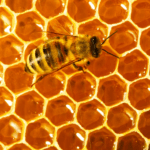
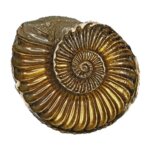
- Heilige Geometrie. Indem wir Gott als Schöpfer des Himmels und der Erde anerkennen, erkennen wir um uns herum die mathematischen Prinzipien in der Natur, die sechseckigen Zellen einer Bienenwabe oder den Goldenen Schnitt der Ammonitenmuschel. Heilige Geometrie wird bei der Erstellung von Ikonen verwendet und spiegelt Zentriertheit, Ausgewogenheit und Harmonie wider.
‘Die Ikone ’Die Genesis Christi“
Hergestellt von Lourdes Crabtree, T.O.Carm
“Die ganze Erde ist ein lebendiges Abbild des Antlitzes Gottes.”
Johannes von Damaskus
“In jenen Tagen erließ Kaiser Augustus einen Befehl, dass alle Welt sich in Steuerlisten eintragen lassen sollte. Dies war die erste Volkszählung, die durchgeführt wurde, als Quirinius Statthalter in Syrien war. Alle gingen in ihre Städte, um sich eintragen zu lassen. Auch Josef ging von der Stadt Nazareth in Galiläa nach Judäa in die Stadt Davids, die Bethlehem heißt, weil er aus dem Hause und Geschlechte Davids war. Er ging, um sich mit Maria, seiner Verlobten, die ein Kind erwartete, einschreiben zu lassen. Während sie dort waren, kam für sie die Zeit ihrer Niederkunft. Und sie gebar ihren ersten Sohn, wickelte ihn in Windeln und legte ihn in eine Krippe, weil in der Herberge kein Platz für sie war.”
Lukas 2,1-7
Geschichte
Die Ikone der Geburt unseres Herrn und Erlösers Jesus Christus stammt ursprünglich aus dem 15. Jahrhundert und wird dem russischen Mönch Andrej Rubljow zugeschrieben. Sie zeigt den Schöpfer des Himmels und der Erde, der als neugeborenes Kind in die Welt kommt. Es gibt mehrere Versionen dieses Bildes mit unterschiedlichem Detaillierungsgrad.
Das Licht und die Strahlen
Ganz oben auf dem Symbol befindet sich ein blaues Oval, das als Mandorla, aus dem Lateinischen, ‘Mandel’. Der innere Teil der Mandorla hat sieben Strahlen, eine Zahl, die Vollständigkeit symbolisiert (Genesis 2,2), Vollkommenheit (die sieben Worte Christi am Kreuz) und göttliche Ordnung (Offenbarung – sieben Gemeinden, Siegel, Posaunen und Schalen, die Gottes Plan offenbaren).
Die drei Strahlen aus dem Himmel stehen für die Heilige Dreifaltigkeit, wobei der mittlere Strahl auf die zweite Person der Dreifaltigkeit, Christus, unseren Herrn, verweist, der in menschlicher Gestalt in die Zeit eintritt.
Das Christkind
Im Zentrum der Ikone befindet sich das Jesuskind, eingewickelt in Windeln, die einem Leichentuch ähneln. Die Krippe Jesu wird als Sarg dargestellt, was uns auf seine erlösende Liebe aufmerksam macht.
“Die Höhle, die Krippe, die Windeln – all dies sind Zeichen der Kenosis [oder “Selbstentäußerung”] der Gottheit, seiner Erniedrigung, der völligen Demut dessen, der, obwohl von Natur aus unsichtbar, um der Menschen willen im Fleisch sichtbar wird, in einer Höhle geboren wird, in Windeln gewickelt wird und damit seinen Tod und sein Begräbnis, das Grab und die Grabtücher vorwegnimmt.” (Ouspensky & Lossky, ‘Die Bedeutung der Ikonen’)
Die Jungfrau Maria
Die Jungfrau Maria, Theotokos, die Gottesgebärerin oder Mutter Gottes, sitzt neben ihrem Sohn und küsst ihn sanft und zärtlich. Maria sitzt auf einem langen Kissen, das manche als Puppe interpretieren.
Die Mutter Gottes trägt ein blaues Untergewand, das die himmlische Majestät symbolisiert. Das Gewand bedeckt Marias Füße und ist ein Symbol für ihre allgemeine Würde und Demut als Theotokos, einem wichtigen Teil des göttlichen Heilsplans. Ihr rotes Obergewand symbolisiert ihre Menschlichkeit, das Geschaffene. Obwohl sie ganz Mensch war, wurde Maria vom Heiligen Geist auserwählt, den Sohn Gottes zur Welt zu bringen.
Die Sterne auf dem Obergewand der Muttergottes stehen für die drei Personen der Dreifaltigkeit. Der oberste Stern steht für Gott, den Vater. Der Stern auf ihrer linken Schulter steht für den Heiligen Geist. Auf Marias rechter Schulter befindet sich das Jesuskind, wo der Stern positioniert wäre. Im östlich-orthodoxen Ritus wird das Kreuzzeichen von oben nach unten und von rechts nach links gemacht.
Eine weitere Erklärung für die Sterne ist, dass sie Marias Jungfräulichkeit vor, während und nach der Geburt symbolisieren. Maria bleibt vor, während und nach der Geburt Jungfrau.
Die Höhle
Die Höhle, in der Christus geboren wird, ist eine Metapher für Stärke, Zuflucht und Erlösung (Psalm 18,2). Die Farbe Schwarz im Inneren der Höhle symbolisiert den Abgrund der Ewigkeit.
Die Höhle spiegelt auch das Geheimnis der verborgenen Kammern in unseren Herzen wider. In der Nacht der Geburt Christi sucht unser Herr eine Bleibe tief in unseren Herzen.
Der Ochse und der Esel
Der Ochse, der in die Krippe schaut, ist ein Symbol für Stärke, Dienst und Opferbereitschaft: ‘Reiche Ernten kommen durch die Kraft des Ochsen’ (Sprüche 14,4b)
Der Esel symbolisiert Demut, Frieden und Dienstbarkeit: ‘Als der Esel den Engel des Herrn sah, legte er sich unter Bileam nieder …’ (Numeri 22,27). Die vollständige Fassung finden Sie unter N.Numeri 22,21-33.
Auch in der Heiligen Schrift lesen wir: ‘Der Ochse kennt seinen Besitzer und der Esel die Krippe seines Herrn, aber Israel kennt mich nicht, mein Volk versteht mich nicht.’ (Jesaja 1,3)
Der Heilige Josef
Der heilige Josef sitzt da und denkt über die Bedeutung dieser Erfahrung nach. Auf einigen Ikonen steht der Teufel als alter Mann verkleidet neben ihm und sät Zweifel in seinem Geist.
Josephs blaues Untergewand steht für eine tiefe spirituelle Sensibilität, während sein purpurfarbenes Obergewand seine Verbindung zum Königshaus als Nachkomme des Hauses David symbolisiert.
Höhepunkte
Die Glanzlichter in einer Ikone bringen künstlerisch gesehen Licht aus der Dunkelheit der Grundfarben hervor. Ein erstes Glanzlicht offenbart die Grundform des Bildes. Das zweite Glanzlicht folgt einer Richtung oder einem Energiefluss, zum Beispiel den Falten eines Kleidungsstücks. Das dritte Glanzlicht betont die Gestik und Bewegung der Figur.
In der Ikonografie steht das erste Highlight für das natürliche Licht, das Ordnung ins Chaos bringt. Das zweite Highlight, Anthropos, steht für das Licht des menschlichen Intellekts und der Kultur. Das dritte Highlight steht für Theocosm, das spirituelle oder engelhafte Licht.
Der Titel
Die Worte auf dem Symbol sind griechisch. “Ή ΓЀNNHCIϚ” bedeutet „Die Genesis“ oder „Die Geburt“.
Die Kontakion-Hymne aus der byzantinischen liturgischen Tradition wird zu ‘Der Geburt unseres Herrn und Erlösers Jesus Christus’ gesungen.,
“Heute bringt die Jungfrau den Transzendenten zur Welt,
und die Erde bietet dem Unnahbaren eine Höhle!
Engel, zusammen mit Hirten, preisen Ihn!
Die Weisen reisen mit dem Stern!
Denn um unseretwillen ist der ewige Gott als kleines Kind geboren worden.”
Im östlichen Ritus wird eine Ikone als ‘Fenster zum Himmel’ angesehen. Die Geheimnisse unseres Glaubens sind verschleiert, und Ikonen sind ein Werkzeug für das Gebet, das den Schleier zwischen Himmel und Erde lüftet und uns erlaubt, das Antlitz Gottes zu sehen.
Das Erleben des Schreibens einer Ikone ist ein Mikrokosmos des Geheimnisses der Ikonographie und des spirituellen Lebens. Sobald das Bild geschaffen ist, muss man nur noch durch verschiedene Gebetsmethoden in das Geheimnis eintreten, beispielsweise indem man einfach das Bild betrachtet oder einen strukturierteren Ansatz wie Visio Divina oder eine Kombination aus beidem, Lectio und Visio Divina, verfolgt. Man kann aus der Heiligen Schrift oder einem mit der Ikone verbundenen Gebet lesen und darüber nachdenken, wie sich das Gebet im Bild offenbart und wie das Bild das Gebet offenbart, wodurch das Geheimnis des Himmelreichs in den Tiefen des eigenen Herzens entschlüsselt wird.
Wenn Sie über die Geburt unseres Erlösers Jesus Christus nachdenken, mögen Sie die Freude von Weihnachten erfahren und mit anderen teilen.
Ehre und Lob sei Gott in Ewigkeit.
Die Karmeliten der Provinz vom Reinsten Herzen Mariens leben in der Treue zu Jesus Christus in einer prophetischen und kontemplativen Haltung des Gebets, des gemeinsamen Lebens und des Dienstes. Inspiriert von Elia und Maria und informiert durch die Karmelitenregel, geben wir Zeugnis von einer achthundert Jahre alten Tradition der geistlichen Transformation in den Vereinigten Staaten, Kanada, Peru, Mexiko, El Salvador und Honduras.
Bitte erwägen Sie die Unterstützung ihrer Mission
https://carmelitemedia.tiny.us/supportpcm
um eine finanzielle Spende zu machen.